
PPG Paint Film: What Collision Centers Need to Know
October 2nd, 2026
PPG STREAM™ Paint Film: What Collision Centers Need to Know
Automotive coatings technology continues to evolve, and today’s collision centers need to be able to assess both a vehicle’s color and how that finish was applied before starting a repair.
PPG STREAM™ by PPG’s Advanced Surfaces Technologies Business, paint film represents a different approach to protecting and enhancing an OEM finish. Available on select 2025 and newer Ford Mustang and Bronco models as factory-installed equipment, the technology combines PPG’s experience in automotive coatings with the protective and installation advantages of paint film.
For painters, estimators and technicians, identifying PPG STREAM paint film during the blueprinting process is an increasingly important part of repair planning.
Paint Applied Differently
At the forefront of automotive coatings technology, PPG STREAM paint films beautifully enhance spray-applied paint while providing several advantages for vehicle owners.
The film features a self-healing topcoat with strong durability and no swirling. It is also resistant to scratching, chipping and impacts from road debris.
Superior adhesion helps prevent the film’s edges from curling over time, while both clear matte and clear gloss film varieties offer easy maintenance.
For professional installers, PPG STREAM paint film provides advantages during application as well. Exceptional elongation properties make stretching easier, while a workable adhesive allows the installer to reposition the film during vehicle installation.
Together, these characteristics provide a protective finish engineered for appearance, durability and installation performance.
Which Ford Models Are Available with Factory-Installed PPG Paint Film?
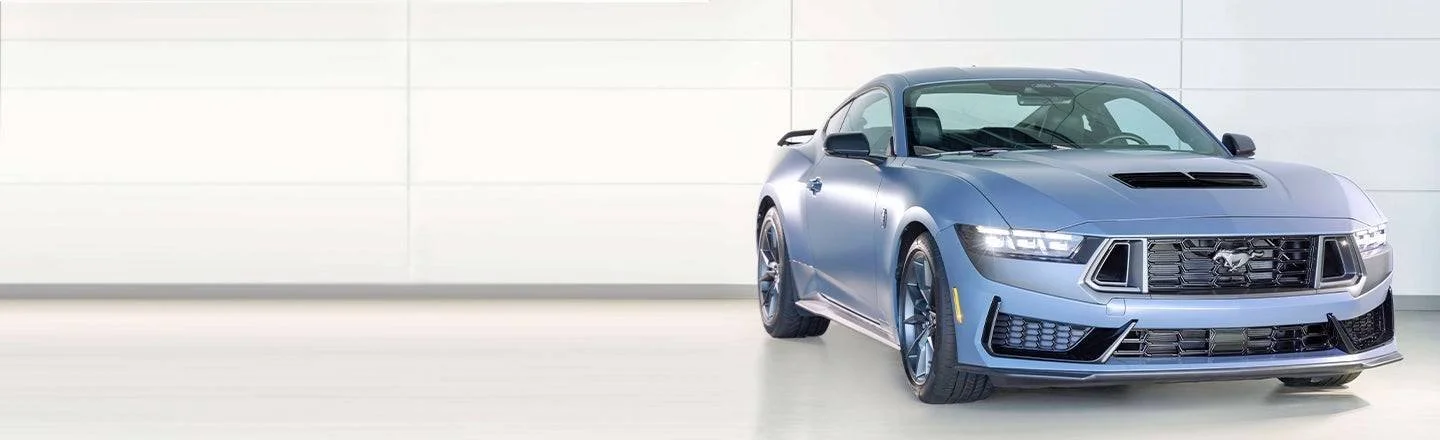
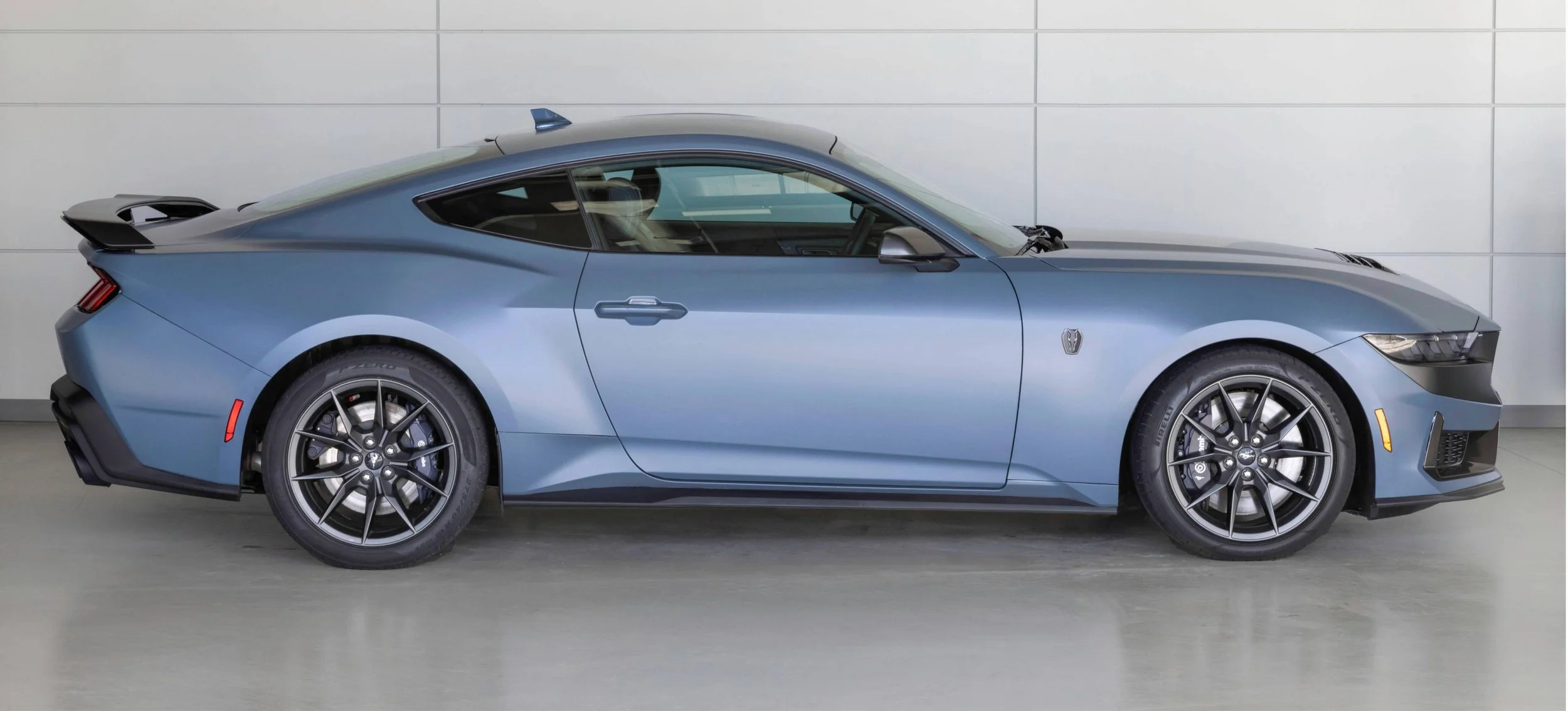
Collision centers may encounter factory-installed OE PPG Paint Film on select Ford Mustang and Bronco models.
Ford Mustang
Mustang EcoBoost
Mustang GT
Mustang Dark Horse
Mustang Convertible
The Mustang Mach-E EV is not included.
Ford Bronco
Bronco Big Bend
Bronco Outer Banks
Bronco Badlands
The Bronco Sport and Bronco Raptor are not included.
Availability does not mean every vehicle within these model lines is equipped with the film. That makes identifying the finish on the individual vehicle an important part of the repair-planning process.
How to Identify Factory-Installed OE PPG Paint Film
When an applicable Ford model enters your collision center, film on the vehicle may be either factory-installed or an aftermarket application. Fortunately, there is a straightforward way to identify the OE PPG application: Check the driver’s door jamb for the QR Service Sticker.
All Ford models equipped with factory-installed OE PPG Paint Film will have this QR service sticker. The QR code directs technicians to PPG resources for warranty support and replacement OE film when needed.
For estimators and technicians, checking for the sticker during the initial vehicle inspection can help confirm what is on the vehicle and provide access to the appropriate resources before the repair begins.
Why Identification Matters During a Collision Repair
When damage involves an area protected by OE PPG Paint Film, identifying the factory-installed film early can help the collision center properly plan the repair and determine whether replacement film and additional technical information will be required.
This is particularly important during blueprinting. Discovering the OE film after body and paint work has already begun can create unnecessary complications in the repair process.
A simple inspection of the driver’s door jamb early in the process gives the shop the information needed to identify the technology and access the appropriate PPG resources.
Customer Care: PPG Paint Film Requires Different Cleaning Practices
Another important conversation happens when the repair is complete: How should the customer care for the finish?
The vehicle’s finish requires special care and maintenance that differs from spray-applied clearcoats. Following the proper cleaning and maintenance guidelines is crucial to preserving its low-gloss appearance. Failure to follow the recommended guidelines could damage the finish and void the warranty.
Collision centers should understand these requirements and communicate them to customers when returning a vehicle equipped with the film.
What You Should Do
DO use microfiber and non-abrasive products.
Use only microfiber cleaning cloths and non-abrasive products specifically developed for automotive exterior finishes.
DO carefully remove contaminants.
Insect remains, tar and road debris should be removed with a soft applicator and hot, soapy water or a mild solvent. Saturate and soak the affected area before cleaning, then rub lightly rather than aggressively scrubbing the surface.
DO hand wash the vehicle.
Use a soft wash mitt and a mild cleaning product that is safe for automotive exterior finishes. A garden hose is recommended for removing heavy soiling and debris before washing.
What You Should Not Do
Knowing what not to use is equally important.
DO NOT use wax or polish unless the product has been approved for paint film use.
DO NOT use abrasive products, including products that are only mildly abrasive, such as rubbing compounds or glazes.
DO NOT use mechanical polishers or high-PSI power washers.
DO NOT use commercial car finish-enhancement or protection products.
DO NOT use abrasive cleaning cloths or towels.
DO NOT vigorously rub the finish.
These precautions are particularly relevant in a collision center. Procedures that may be routine on a conventional spray-applied clearcoat, including compounding and machine polishing, should not automatically be performed on an OE PPG Paint Film finish. In addition, while the film can be washed as often as needed and features self-healing properties, certain commercial car washes may cause the edges of the film to lift or pull.
Add PPG Paint Film Identification to the Blueprint
As OEM finish technology evolves, identifying exactly what’s on the vehicle becomes another important part of performing a complete repair.
When an applicable Ford Mustang or Bronco enters your shop:
1. Identify the model.
Know which Mustang and Bronco models are available with factory-installed OE PPG Paint Film.
2. Check the driver’s door jamb.
Look for the QR Service Sticker that identifies a vehicle equipped with factory-installed PPG Paint Film.
3. Use the QR Service Sticker as your resource.
The QR code connects technicians with PPG resources for warranty support and replacement OE film when needed.
4. Plan the repair accordingly.
Identify the film and access the appropriate technical information before determining the repair approach.
5. Follow—and communicate—the proper care procedures.
Make sure anyone cleaning or detailing the vehicle understands that conventional compounds, polishes, mechanical polishers and other common processes may not be appropriate for the finish.
Know What’s on the Vehicle Before You Repair It
For collision centers, PPG STREAM paint film is another example of why the initial vehicle inspection is becoming increasingly important.
Knowing which Ford models are available with the technology—and taking a few seconds to check the driver’s door jamb for the QR Service Sticker—can help painters, estimators and technicians identify the OE application, properly plan the repair and access the PPG resources they need.
The responsibility doesn’t necessarily end when the repair does. Helping customers understand the proper care requirements can protect the appearance of their vehicle and help prevent practices that could damage the finish or affect its warranty.
As automotive coatings technology changes, ColorVision is committed to helping collision centers understand what’s changing, why it matters and how to respond.
Disclaimer: PPG was not involved in the creation, development or review of this blog. Information referenced in this article was sourced from publicly available PPG materials, including the PPG AST Ford and Paint Applied Differently webpages.