
Collision Repair Essentials: Why Cavity Wax Matters
April 21st, 2026
In collision repair, it’s easy to focus on what customers can see; paint finish, panel alignment, and overall appearance. But the real measure of a quality repair often lies in the areas no one sees. One of the most frequently overlooked steps in the repair process is the application of cavity wax.
What Gets Missed During Repair
Modern vehicles leave the factory with advanced corrosion protection systems. Much of this protection is applied early in the manufacturing process, before panels are fully assembled, allowing coatings to reach deep into seams, joints, and enclosed structures.
The problem? Those protections are often compromised during repairs.
Grinding, welding, and panel replacement all disturb or remove that original coating. And unlike the factory, collision repair facilities can’t replicate those full immersion or pre-assembly application processes.
That leaves internal cavities, doors, rocker panels, pillars, and frame rails, vulnerable to corrosion unless something replaces that protection.
Why Cavity Wax Is Critical
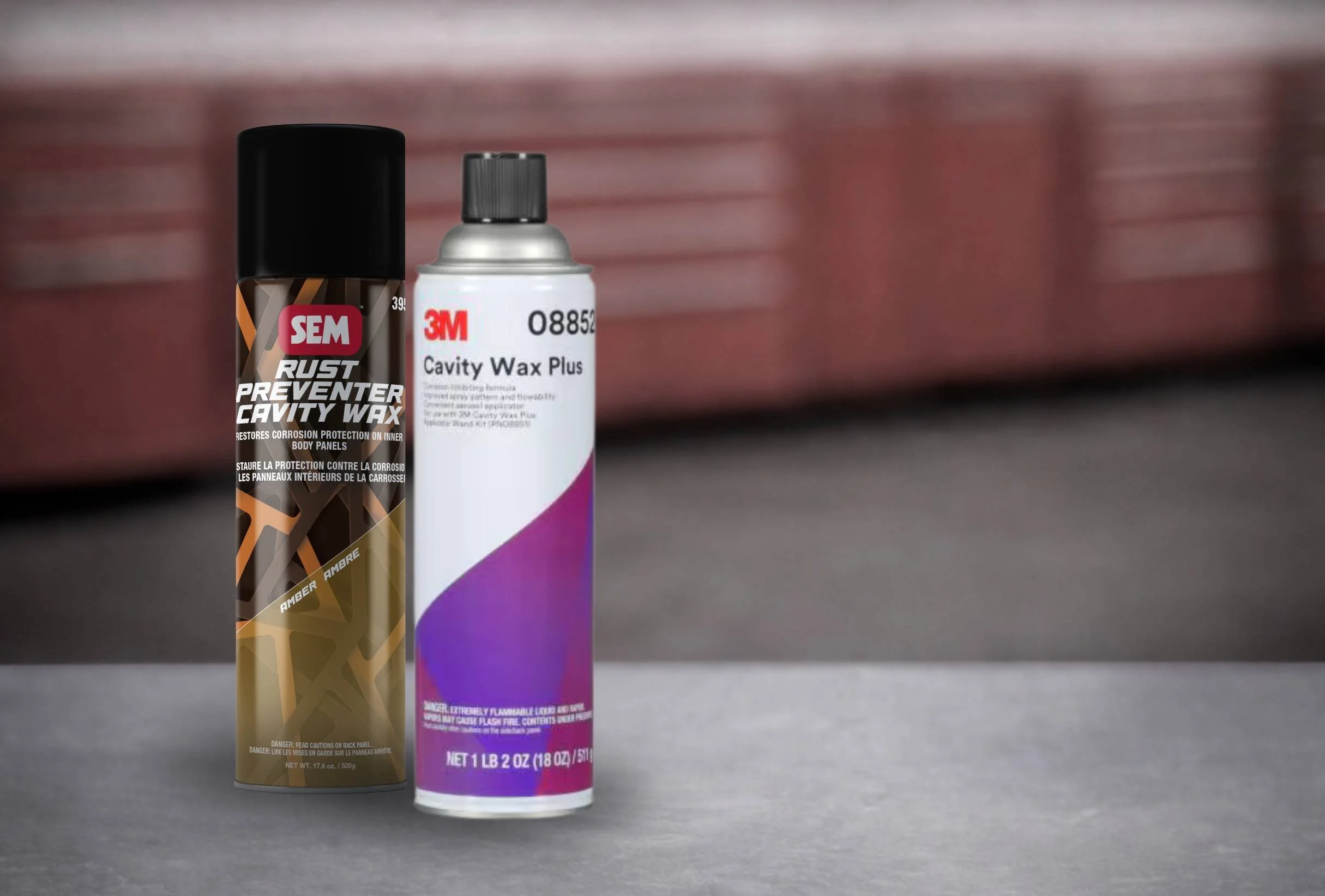
Cavity wax is designed specifically for these hidden areas. It flows into seams, overlaps, and tight spaces, creating a protective barrier where paint simply can’t reach.
Modern cavity wax products are engineered to:
• Penetrate tight seams and weld flanges
• Remain flexible and resist cracking
• Continue to protect over time, even in harsh environments
Without this protection, corrosion can begin inside the vehicle and spread unnoticed, often leading to costly comebacks and long-term damage.
The Reality: It’s Often Skipped
Despite its importance, cavity wax is one of the most commonly missed steps in collision repair. Why?
• It’s not visible after the repair
• It can be difficult to access internal areas
• It’s sometimes treated as optional instead of required
But the reality is clear: most OEM repair procedures call for restoring corrosion protection in repaired areas. Skipping it means the repair is incomplete.
When There’s Pushback
In some cases, insurers may question or argue the use of cavity wax.
When that happens, the best approach is simple: rely on OEM procedures.
Having the manufacturer’s repair documentation on hand helps clearly show:
• Where corrosion protection is required
• What materials should be used
• Why the step is necessary to restore the vehicle properly
This keeps the conversation focused on repairing the vehicle to manufacturer standards, not cutting corners.
Proper Application Matters
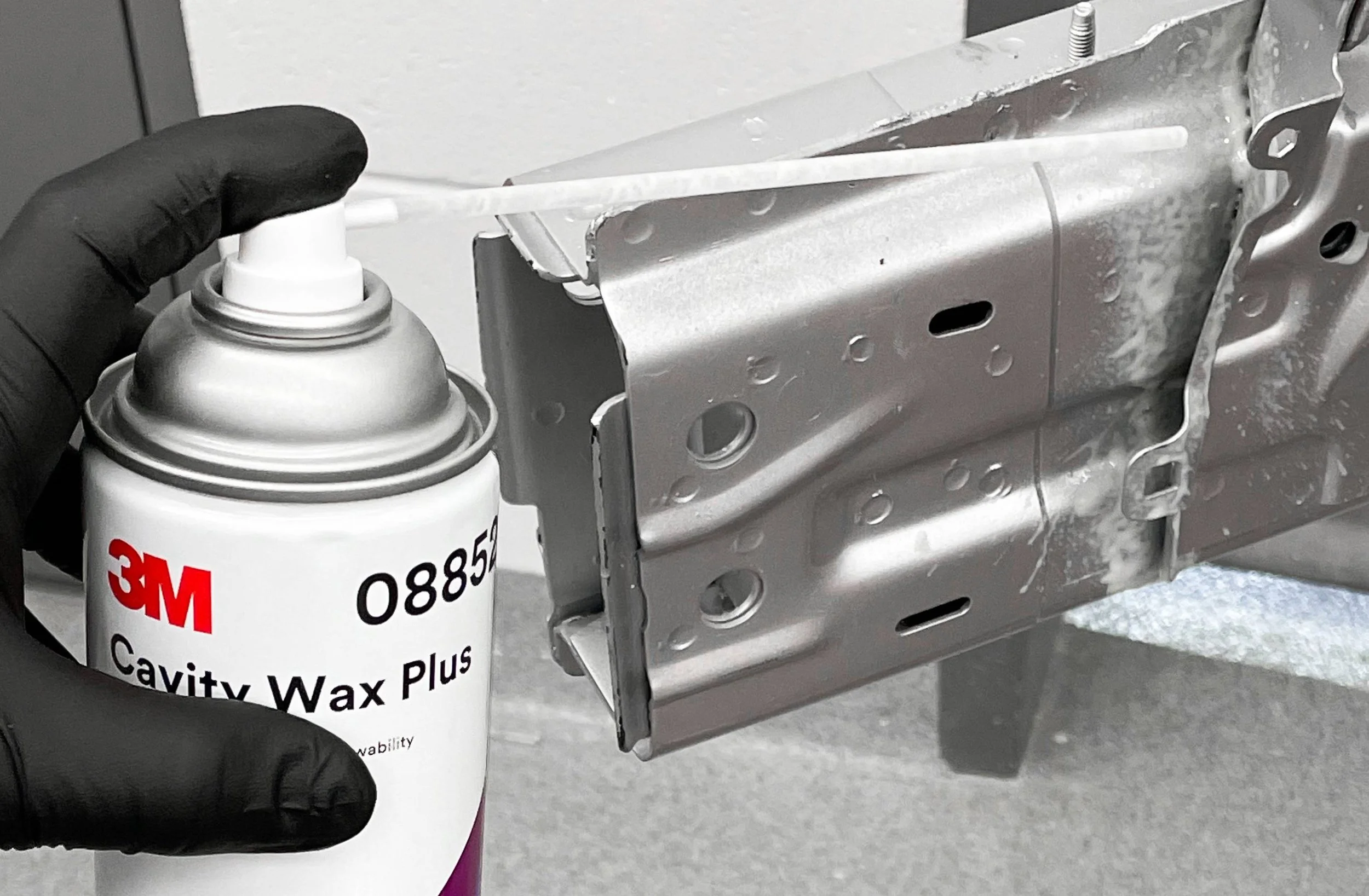
Applying cavity wax isn’t just about spraying and moving on. To be effective, it requires:
• Full coverage inside enclosed areas using the proper tools such as application wands
• Attention to seams, joints, and weld locations
• Application at the correct stage of the repair process
These details are what separate a thorough repair from one that may fail over time.
The Bottom Line
Cavity wax isn’t an add-on; it’s a critical step in restoring a vehicle to pre-accident condition. A repair might look perfect on the outside, but without proper corrosion protection inside, the job isn’t truly complete. Shops that consistently apply cavity wax aren’t just protecting the vehicle, they’re protecting their work, their reputation, and their customers’ long-term satisfaction.
Don’t overlook the step that protects everything beneath the surface.